
Does EDS Increase the Risk of Certain Cancers: What You Need to Know
- zebrathemiddleaged
- 10 hours ago
- 3 min read

Ehlers-Danlos Syndrome (EDS) is a group of genetic disorders affecting connective tissues, known for causing joint hypermobility, skin elasticity, and tissue fragility. Many living with EDS wonder if their condition also raises the risk of developing certain types of cancer. Understanding this connection is crucial for managing health proactively.
Research on EDS and cancer risk is limited but growing. Some studies suggest that certain EDS subtypes may slightly increase the risk of specific cancers, while others show no clear connection. The relationship is complex because EDS affects connective tissue, which supports organs and blood vessels, but cancer arises from abnormal cell growth.
Possible Reasons for Increased Cancer Risk in EDS
Collagen and Tumor Environment
Collagen helps form the extracellular matrix, which surrounds cells and influences their behavior. Abnormal collagen in EDS might alter this environment, potentially affecting how tumors grow or spread.
Vascular Fragility and Tumor Blood Supply
Some EDS types cause fragile blood vessels. This fragility could impact tumor blood supply, possibly influencing cancer development or progression.
Genetic Factors
Since EDS is genetic, mutations affecting connective tissue might also influence genes involved in cell growth regulation, increasing cancer susceptibility in some cases.
Chronic Inflammation and Tissue Damage
Repeated tissue injury and inflammation in EDS could create conditions that promote cancer development over time.
Current evidence points to a few cancer types that may have a higher incidence in people with certain EDS subtypes:
Vascular EDS (vEDS): This subtype carries a higher risk of arterial rupture and organ rupture, but some reports suggest a possible link to soft tissue sarcomas, a type of cancer arising from connective tissues. However, this link is rare and not well-established.
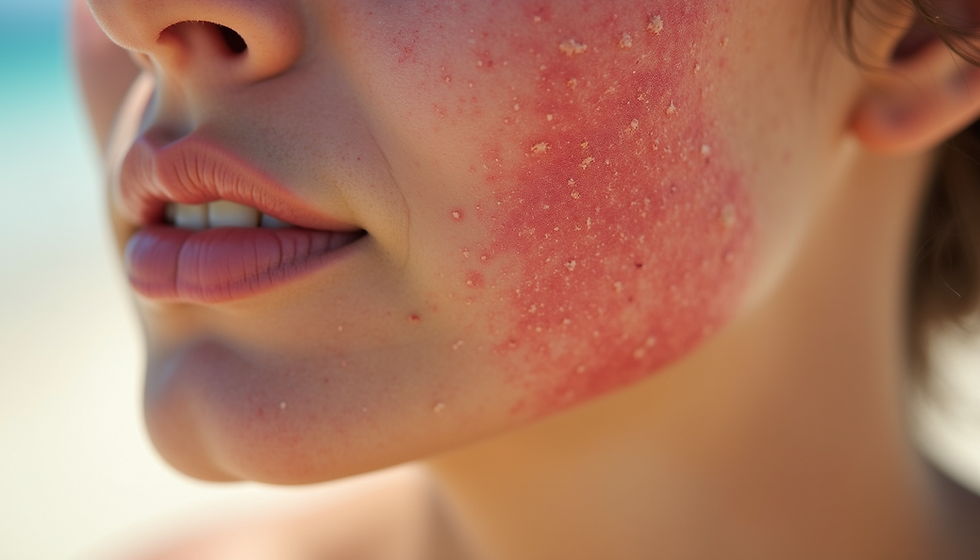
Skin Cancers: Due to fragile and easily damaged skin, people with EDS might have a slightly increased risk of skin cancers like basal cell carcinoma or squamous cell carcinoma, especially if they have frequent wounds or scars.
Gastrointestinal Cancers: Some anecdotal evidence hints at a possible increased risk of gastrointestinal tumors in EDS, but research is insufficient to confirm this.
It is important to note that the overall cancer risk in EDS patients does not appear dramatically higher than in the general population. Most people with EDS do not develop cancer related to their condition.
People with EDS should focus on general cancer prevention strategies while being mindful of their unique health needs:
Regular Medical Checkups
Routine screenings and checkups help detect any unusual changes early. Discuss your EDS diagnosis with your healthcare provider so they can tailor monitoring accordingly.
Skin Care and Protection
Protect fragile skin from sun damage and injury. Use sunscreen, avoid harsh chemicals, and treat wounds carefully to reduce skin cancer risk.
Healthy Lifestyle Choices
Maintain a balanced diet, avoid smoking, limit alcohol, and stay physically active within your limits. These habits reduce cancer risk for everyone.
Report New Symptoms Promptly
Unexplained lumps, persistent pain, or unusual bleeding should be evaluated quickly to rule out cancer or other complications.
Genetic Counseling
If you have a family history of cancer or severe EDS subtypes, consider genetic counseling to understand your risks better.
Scientific studies on EDS and cancer risk remain scarce. A 2019 review in the American Journal of Medical Genetics noted that while connective tissue disorders like EDS might influence tumor biology, no definitive evidence links EDS to a significant increase in cancer risk. Most data come from case reports or small studies.
More research is needed to clarify:
How different EDS subtypes affect cancer risk
The biological mechanisms behind any increased risk
Best practices for cancer screening in EDS patients
Until then, healthcare providers rely on general cancer prevention guidelines and personalized care.
Living with EDS means managing a complex condition that affects many parts of the body. While current evidence does not show a strong link between EDS and most cancers, some subtypes may carry a slightly higher risk for specific cancers, especially those related to connective tissue or skin.
Understanding your EDS subtype and working closely with your healthcare team can help you stay vigilant without unnecessary worry. Focus on healthy habits, regular checkups, and protecting your skin to reduce cancer risk. If you notice any unusual symptoms, seek medical advice promptly.
Your health journey with EDS is unique. Staying informed and proactive empowers you to manage risks and maintain the best quality of life possible.
This post is for informational purposes only and does not replace professional medical advice. Consult your healthcare provider for personalized guidance.

Comments