
Effective Anti-Inflammatory Diet for Managing MCAS: Foods to Include and Avoid

Updated: Apr 7
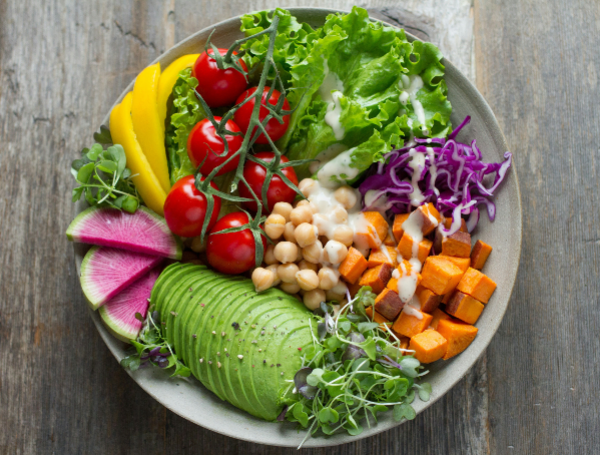
Mast Cell Activation Syndrome (MCAS) causes the immune system to overreact, releasing chemicals that trigger inflammation and a range of symptoms. Managing MCAS often requires careful attention to diet, as certain foods can either calm or worsen inflammation. An anti-inflammatory diet tailored for MCAS can help reduce flare-ups and improve quality of life.
Understanding MCAS and Inflammation
MCAS involves mast cells releasing histamine and other substances inappropriately, leading to symptoms like itching, swelling, digestive issues, and fatigue. Inflammation plays a central role in these reactions. Eating foods that reduce inflammation can help control symptoms, while some foods may trigger mast cell activation and worsen inflammation.
Foods to Include in an Anti-Inflammatory Diet for MCAS
Choosing the right foods can support your immune system and reduce inflammation. Focus on fresh, whole foods that are less likely to provoke mast cells.
Fresh Vegetables and Fruits
Low-histamine vegetables such as leafy greens (spinach, kale), cucumbers, and zucchini provide antioxidants and vitamins without triggering mast cells.
Fresh fruits like apples, pears, and blueberries are rich in anti-inflammatory compounds but should be eaten fresh to avoid histamine buildup.
Avoid canned or fermented fruits, which can increase histamine levels.
Lean Proteins
Freshly cooked chicken, turkey, and fish are good protein sources that rarely trigger mast cells.
Avoid processed meats like sausages or deli meats, which often contain additives and preservatives that can worsen symptoms.
Healthy Fats
Use olive oil and coconut oil for cooking, as they have anti-inflammatory properties.
Include sources of omega-3 fatty acids such as flaxseeds and chia seeds, which help reduce inflammation.
Whole Grains
Choose gluten-free grains like quinoa, brown rice, and millet to avoid potential sensitivities.
Whole grains provide fiber, which supports gut health and reduces systemic inflammation.
Herbal Teas and Hydration
Drink ginger or chamomile tea, which have natural anti-inflammatory effects.
Stay well-hydrated with water to help flush out inflammatory substances.
Foods to Avoid to Help Prevent Mast Cell Activation
Certain foods can trigger mast cells or increase histamine, leading to inflammation and symptom flare-ups.
High-Histamine Foods
Aged cheeses, fermented foods (sauerkraut, kimchi), and cured meats often contain high histamine levels.
Alcohol, especially red wine and beer, can release histamine and worsen symptoms.
Processed and Preserved Foods
Avoid foods with artificial additives, preservatives, and colorings, which can provoke mast cells.
Packaged snacks, fast food, and processed meats often contain these triggers.
Certain Fruits and Vegetables
Tomatoes, spinach (when not fresh), eggplant, and avocados can be high in histamine or trigger mast cells.
Citrus fruits like oranges and lemons may also cause reactions in some people.
Nightshade Vegetables
Potatoes, peppers, and eggplants belong to the nightshade family and can increase inflammation in sensitive individuals.
Foods High in Salicylates and Other Natural Chemicals
Some people with MCAS react to salicylates found in berries, nuts, and spices.
Spices like cinnamon, cloves, and chili powder may trigger symptoms.
Tips for Managing Your Diet with MCAS
Keep a food diary to track what you eat and any symptoms that follow. This helps identify personal triggers.
Cook meals fresh and avoid leftovers, as histamine levels increase in stored foods.
Eat smaller, frequent meals to reduce digestive stress.
Work with a healthcare provider or dietitian familiar with MCAS to create a personalized plan if following these tips do not help.
An anti-inflammatory diet for MCAS focuses on fresh, whole foods that support immune balance and avoid triggers. Emphasize low-histamine vegetables, fresh fruits, lean proteins, healthy fats, and gluten-free grains. Avoid aged, fermented, processed, and high-histamine foods that can worsen symptoms. Tracking your diet and symptoms helps tailor your approach. This diet is one part of managing MCAS, and consulting healthcare professionals ensures safe and effective care.
Reducing Inflammation in MCAS is especially important to help reduce symptoms of MCAS such as brain fog, chronic migraine, depression, anxiety, and sleep disturbance. Diet is a good first step in lowering inflammation from MCAS,


Comments