
Navigating Vitamin Deficiencies in HEDS

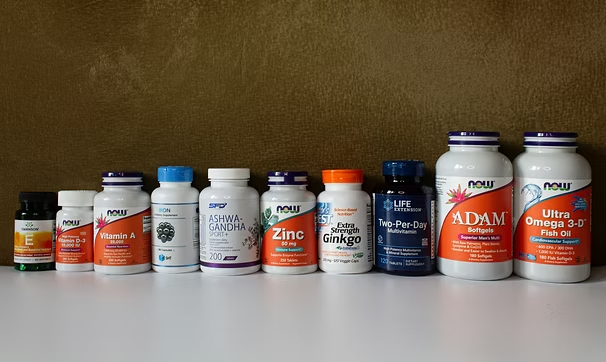
Living with Hypermobile Ehlers-Danlos Syndrome (HEDS) presents unique challenges, including managing symptoms that often overlap with vitamin and mineral deficiencies. Many people with HEDS experience fatigue, muscle weakness, and neurological symptoms that can be worsened by low levels of essential nutrients. Understanding how vitamin D, vitamin B12, magnesium, iron, and MTHFR gene variations affect your health can help you take control and improve your quality of life.
This guide breaks down these key nutrients and genetic factors, explaining their roles, how deficiencies show up in HEDS, and practical steps to address them.
Why Vitamin and Mineral Deficiencies Matter in HEDS
HEDS affects connective tissue, which supports joints, skin, and organs. This condition often leads to joint pain, instability, and fatigue. Nutrient deficiencies can worsen these symptoms by impairing muscle function, nerve signaling, and energy production.
People with HEDS may have digestive issues or dietary restrictions that reduce nutrient absorption. Additionally, some medications or lifestyle factors can contribute to deficiencies. Identifying and correcting these imbalances is a crucial part of managing HEDS symptoms.
Vitamin D and Its Role in HEDS
Vitamin D supports bone health, immune function, and muscle strength. Many people with HEDS have low vitamin D levels, which can increase joint pain and risk of fractures.
Signs of Vitamin D Deficiency
Bone pain or tenderness
Muscle weakness or cramps
Fatigue
Frequent infections
How to Improve Vitamin D Levels
Spend 10-30 minutes in sunlight daily, depending on skin type and location
Eat vitamin D-rich foods like fatty fish, fortified dairy, and egg yolks
Consider supplements after consulting your healthcare provider, especially if blood tests show low levels
Regular testing helps track vitamin D status and guides supplementation.
Vitamin B12 and Nervous System Health
Vitamin B12 is essential for nerve function and red blood cell production. Deficiency can cause numbness, tingling, memory problems, and fatigue—symptoms that overlap with HEDS.
Causes of B12 Deficiency in HEDS
Poor absorption due to gastrointestinal issues
Dietary restrictions (e.g., vegan or vegetarian diets)
Certain medications that interfere with B12 absorption
Addressing B12 Deficiency
Include animal products like meat, fish, and dairy in your diet if possible
Use B12 supplements or injections as recommended by your doctor for low levels
Monitor symptoms and blood levels regularly
Correcting B12 deficiency can improve neurological symptoms and energy.
Magnesium’s Impact on Muscle and Nerve Function
Magnesium supports muscle relaxation, nerve transmission, and energy production. Deficiency can cause muscle cramps, spasms, anxiety, and fatigue, which are common complaints in HEDS.
Why Magnesium Deficiency Happens
Poor dietary intake
Increased loss through urine or sweat
Medications like diuretics
Ways to Boost Magnesium
Eat magnesium-rich foods such as nuts, seeds, leafy greens, and whole grains
Consider magnesium supplements, especially magnesium citrate or glycinate forms for better absorption
Avoid excessive caffeine and alcohol, which can deplete magnesium
Improving magnesium levels often reduces muscle-related symptoms.
Iron and Its Connection to Energy and Immunity
Iron is crucial for oxygen transport and energy production. Iron deficiency anemia can cause extreme fatigue, weakness, and dizziness, which may worsen HEDS symptoms.
Recognizing Iron Deficiency
Pale skin or nail beds
Shortness of breath during activity
Rapid heartbeat
Cold hands and feet
Managing Iron Deficiency
Consume iron-rich foods like red meat, beans, spinach, and fortified cereals
Pair iron intake with vitamin C to enhance absorption
Use iron supplements under medical supervision to avoid overload
Regular blood tests can detect iron deficiency early and prevent complications.
Understanding MTHFR and Its Influence on Nutrient Processing
MTHFR (methylenetetrahydrofolate reductase) is a gene that affects how the body processes folate and other B vitamins. Variations in this gene can reduce enzyme activity, leading to elevated homocysteine levels and increased risk of cardiovascular and neurological issues.
MTHFR Variants and HEDS
Some people with HEDS carry MTHFR mutations that may worsen symptoms by impairing methylation, a process important for DNA repair and detoxification.
Supporting MTHFR Function
Use methylated forms of folate (L-methylfolate) and B12 (methylcobalamin) supplements
Avoid synthetic folic acid, which may not be properly processed
Work with a healthcare provider to test for MTHFR variants and tailor supplementation
Optimizing methylation can improve energy, mood, and overall health.
Practical Tips for Managing Deficiencies in HEDS
Get lab tested regularly for vitamin D, B12, magnesium, iron, and homocysteine levels.
Work with a healthcare professional familiar with HEDS to interpret results and create a personalized plan.
Focus on a balanced diet rich in whole foods that provide these nutrients naturally.
Consider supplements only when necessary and under medical guidance.
Monitor symptoms closely and adjust your approach as needed.
Since People with HEDS are more prone to certain vitamin deficiencies having vitamin levels as a part of routine lab draws is an important part of our overall health checks.


Comments