
Possible Bladder Problems in HEDS Patients and How to Improve Symptoms
- zebrathemiddleaged
- Jan 4
- 3 min read
Updated: Jan 5

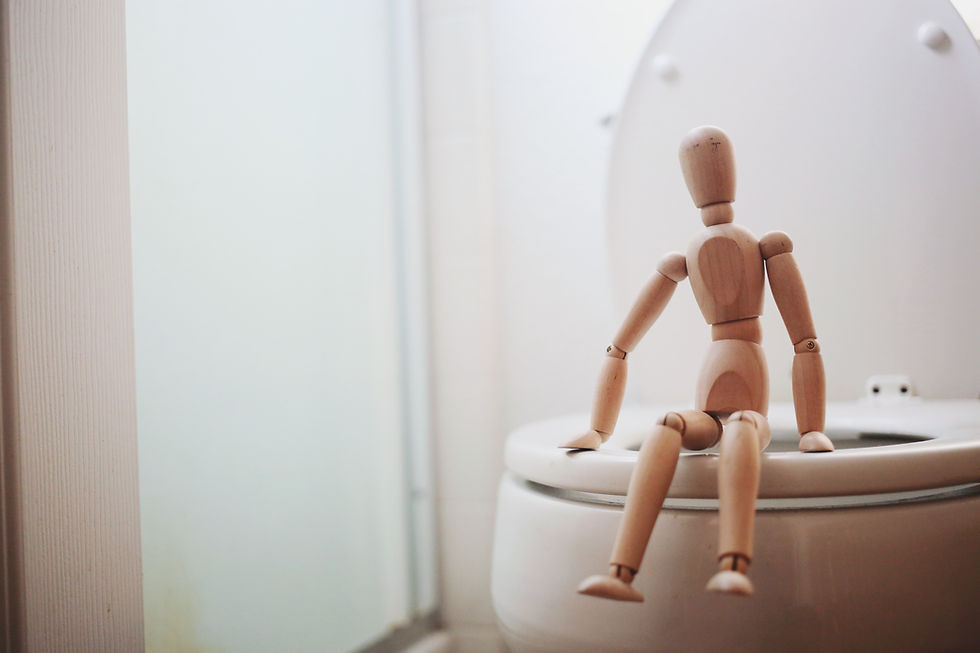
(Unsplash Photo)
Living with Hypermobile Ehlers-Danlos Syndrome (HEDS) often means managing a range of symptoms that affect daily life. One area that can be particularly challenging is bladder health. Many people with HEDS experience bladder problems that can cause discomfort, inconvenience, and stress.
What Causes Bladder Problems in HEDS Patients?
HEDS is a connective tissue disorder characterized by joint hypermobility, skin elasticity, and tissue fragility. These features can also affect the bladder and urinary system in several ways:
Weak connective tissue in the bladder and pelvic floor: The bladder wall and pelvic muscles rely on strong connective tissue to maintain proper function. In HEDS, this tissue can be weaker or more elastic than normal, leading to bladder instability.
Pelvic floor dysfunction: The pelvic floor muscles support the bladder and help control urination. When these muscles are weak or do not coordinate well, it can cause urinary urgency, frequency, or incontinence.
Autonomic nervous system involvement: Some HEDS patients experience dysautonomia, which can affect bladder control by disrupting nerve signals.
Joint hypermobility in the pelvic region: Excessive movement in pelvic joints may contribute to bladder irritation or prolapse.
Understanding these causes helps explain why bladder problems are common in HEDS and why they can vary widely from person to person.
Common Bladder Problems Experienced by HEDS Patients
Several bladder-related symptoms frequently appear in people with HEDS. These include:
Urinary urgency and frequency: A sudden, strong need to urinate often, sometimes with little warning.
Urinary incontinence: Involuntary leakage of urine, which can be stress-related (e.g., coughing, sneezing) or urge-related.
Incomplete bladder emptying: Feeling like the bladder is not fully emptied after urination, which can increase infection risk.
Difficulty starting urination: symptoms of dysautonomia and failure of the autonomic nervous system to receive signals affecting the relaxation and contraction of the bladder.
Recurrent urinary tract infections (UTIs): Due to incomplete emptying or bladder dysfunction, infections may occur more often.
Pelvic pain or discomfort: Pain around the bladder or pelvic area, sometimes linked to bladder spasms or irritation.
These symptoms can significantly impact quality of life, causing embarrassment, anxiety, and social withdrawal. These symptoms can also be increased during times of stress, illness. and lack of sleep. Any situation that places extra stress on the body.
Practical Ways to Improve Bladder Symptoms in HEDS
While bladder problems in HEDS can be complex, several strategies can help manage and reduce symptoms:
Pelvic Floor Physical Therapy
Working with a pelvic floor physical therapist can strengthen and retrain the muscles that support bladder control. Therapy may include:
Exercises to improve muscle tone and coordination
Biofeedback to increase awareness of pelvic floor muscles
Techniques to relax overactive muscles
Many patients report symptom improvement after consistent therapy.
Bladder Training and Lifestyle Adjustments
Bladder training involves gradually increasing the time between urinations to improve bladder capacity and control. Tips include:
Scheduling bathroom visits rather than going “just in case”
Avoiding bladder irritants like caffeine, alcohol, and spicy foods
Staying hydrated but not overdrinking fluids
Practicing double voiding (urinating twice within a few minutes) to reduce residual urine
Get plenty of rest and avoid undue stressors.
Medications and Medical Interventions
In some cases, healthcare providers may recommend medications to:
Calm bladder spasms
Treat infections promptly
Manage pain or inflammation
For severe cases, other interventions like nerve stimulation or surgery might be considered, but these are less common.
Supportive Devices and Techniques
Using absorbent pads or protective garments can help manage incontinence discreetly. Additionally, techniques such as timed voiding and pelvic support devices may provide relief.
Addressing Underlying Dysautonomia
If autonomic nervous system dysfunction contributes to bladder issues, managing dysautonomia through hydration, salt intake, and medications can indirectly improve bladder symptoms.
When to Seek Professional Help
Bladder problems can worsen if left untreated. It is important to consult a healthcare provider if you experience:
Sudden changes in bladder habits
Painful urination or blood in urine
Frequent urinary tract infections
Incontinence that interferes with daily activities
Signs of bladder prolapse or pelvic organ descent
Early diagnosis and treatment can prevent complications and improve quality of life.
Living Well with Bladder Issues in HEDS
Managing bladder symptoms in HEDS requires a combination of medical care, self-care, and support. Here are some practical tips:
Keep a bladder diary to track symptoms and triggers
Communicate openly with your healthcare team about bladder concerns
Join support groups to connect with others facing similar challenges
Practice stress reduction techniques, as stress can worsen symptoms
Maintain a healthy weight to reduce pelvic pressure
By taking proactive steps, many people with HEDS find they can reduce bladder problems and regain confidence.


Comments