
Spontaneous Bruising Around Joints in HEDS What Causes It?
- zebrathemiddleaged
- Jan 2
- 3 min read
Updated: Apr 16

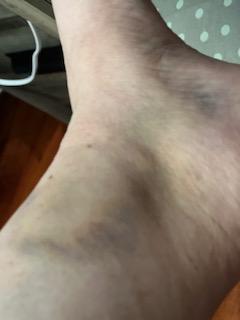
Spontaneous bruising, especially around the joints, is a common and often distressing symptom for people with Hypermobile Ehlers-Danlos Syndrome (HEDS). These bruises can appear without any obvious injury, raising questions about why they happen and what underlying processes cause them. Understanding the reasons behind spontaneous bruising in HEDS can help individuals better manage their symptoms and realize that it is caused by HEDS but it is nothing to be alarmed about.
What Is HEDS and How Does It Affect the Body?
Hypermobile Ehlers-Danlos Syndrome is a connective tissue disorder characterized primarily by joint hypermobility, skin that can be unusually stretchy or fragile, and a tendency to bruise easily. Connective tissue acts like the body's scaffolding, providing strength and support to skin, joints, blood vessels, and organs. In HEDS, genetic differences affect the structure and function of collagen, a key protein in connective tissue.
Because collagen is weaker or less stable in people with HEDS, their tissues are more prone to damage. This fragility explains many symptoms, including joint pain, frequent dislocations, and skin issues. Bruising is another visible sign of this tissue vulnerability.
Why Does Spontaneous Bruising Occur Around Joints?
Bruising happens when small blood vessels under the skin break and leak blood into surrounding tissues. In HEDS, spontaneous bruising around joints is common for several reasons:
Fragile Blood Vessels
The blood vessels in people with HEDS are more delicate due to abnormal collagen. This fragility means even minor pressure or stretching around joints can cause capillaries to rupture, leading to bruises.
Joint Movement and Stress
Joints in HEDS are hypermobile and often unstable. Frequent movement, stretching, or minor trauma during daily activities can stress the blood vessels near joints. This stress increases the chance of vessel damage and bruising.
Thin and Fragile Skin
The skin around joints may be thinner or more fragile in HEDS. Thin skin offers less protection to blood vessels, making bruising more visible and more likely to occur spontaneously.
Delayed Healing
Some people with HEDS experience slower healing of bruises and wounds. This delay can make bruises last longer and appear more severe.
Bruising tends to appear in areas where the skin is thin and joints are highly mobile. Common sites include:
Knees
Elbows
Wrists
Ankles
These areas undergo frequent bending and stretching, increasing the risk of blood vessel injury.

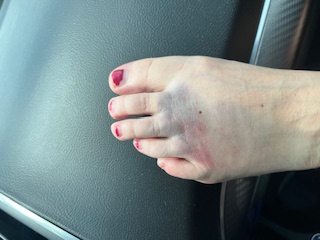
How to Recognize Bruises Related to HEDS
Bruises in HEDS often have some distinct features:
They may appear without any clear injury or after very minor bumps.
Bruises can be larger and darker than typical bruises.
They often last longer, sometimes several weeks.
Bruising may be accompanied by tenderness or mild swelling.
If bruising is accompanied by other symptoms like excessive bleeding, frequent nosebleeds, or unusual bleeding gums, it is important to consult a healthcare professional to rule out other conditions.
Managing and Reducing Bruising in HEDS
While spontaneous bruising can be frustrating, there are practical steps to reduce its frequency and severity:
Protect Joints
Use braces or supports during activities that put stress on joints. Padding can also help protect vulnerable areas from bumps.
Be Gentle with Skin
Avoid harsh rubbing or scratching. Use mild skincare products and keep skin moisturized to maintain its integrity.
Modify Activities
Avoid high-impact sports or activities that increase the risk of joint injury. Low-impact exercises like swimming or cycling can help maintain joint strength without excessive stress.
Nutrition and Supplements
Some evidence suggests that vitamin C and bioflavonoids may support blood vessel health. Discuss with a healthcare provider before starting supplements.
Medical Support
Regular check-ups with a specialist familiar with HEDS can help monitor symptoms and manage complications.
Spontaneous bruising in HEDS is common, but certain signs require prompt medical attention:
Bruises that appear suddenly and spread rapidly
Excessive bleeding from minor cuts or injuries
Frequent nosebleeds or bleeding gums
Signs of infection around bruised areas
Severe joint pain or swelling unrelated to bruising
These symptoms could indicate additional bleeding disorders or complications that need evaluation. Most often bruising is just one of the symptoms that zebras have to be aware of and take precautions with on a daily basis. But knowing the more serious signs to look out for is imperative.


Comments