
Why EDS Patients Struggle With Sleep and How to Rest Better
- zebrathemiddleaged

- Aug 13
- 5 min read
Sleep should be the part of the day when the body gets a break. For many people with Ehlers-Danlos Syndrome, or EDS, bedtime can feel like the start of another challenge: aching joints, racing thoughts, dizziness, stomach symptoms, restless legs, and the constant need to reposition.
That is not “just bad sleep hygiene.” EDS affects connective tissue throughout the body, and connective tissue plays a role in joints, blood vessels, digestion, nerves, and pain signaling. When several of those systems stay irritated at night, sleep becomes lighter, shorter, and less refreshing.
If sleep problems are severe, sudden, or linked with breathing pauses, fainting, chest pain, or worsening mental health, you should follow up with a clinician to discuss your sleep problems right away.

Why EDS can make sleep harder
EDS is most often known for joint hypermobility, fragile tissues, and chronic pain. But sleep issues often come from a mix of body systems working overtime. A person may fall asleep exhausted, then wake repeatedly because their hip slips, their heart races, or their nervous system feels stuck on high alert.
Sleep medicine clinicians often look beyond the mattress and bedtime routine in these cases. They consider pain, breathing, autonomic symptoms, medications, mood, and movement disorders. That broader view matters because EDS sleep problems rarely have just one cause.
Pain and joint instability can keep the body alert
Pain is one of the most common reasons people with EDS struggle to sleep. Lying still can make joints ache. Turning over can trigger sharp pain. Some people wake because a shoulder, rib, jaw, or hip has shifted into an uncomfortable position.
The brain also treats pain as a signal to stay alert. Even low-level pain can fragment sleep, which means a person may spend less time in deep, restorative stages. The next day, poor sleep can heighten pain sensitivity. That creates a frustrating cycle: more pain leads to worse sleep, and worse sleep can make pain feel louder. Helpful strategies include:
Use targeted pillow support
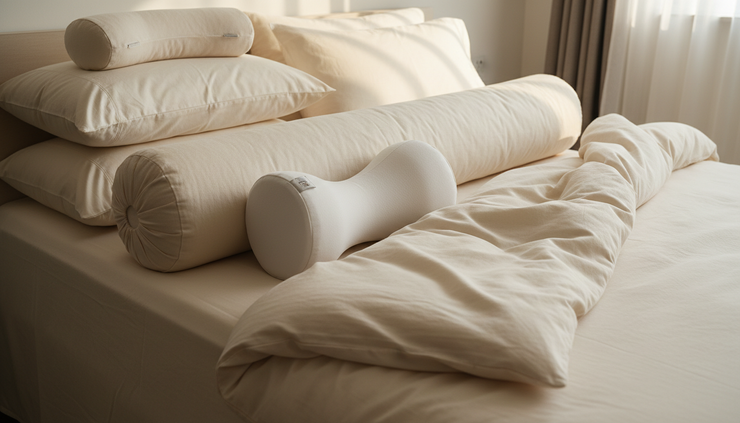
A pillow between the knees can reduce hip strain. A small pillow under the arm may support an unstable shoulder. Some people benefit from a body pillow to prevent twisting.
Try heat or cold before bed
Heat may relax tight muscles. Cold may calm inflammation or nerve-like pain. The right choice varies by symptom and should feel soothing, not intense.
Ask about physical therapy
A physical therapist familiar with hypermobility can suggest joint-safe strengthening and sleep positions. The goal is not to force flexibility, but to build support around unstable areas.
Autonomic dysfunction can interrupt rest
Many people with EDS also report symptoms of dysautonomia, including postural orthostatic tachycardia syndrome, often called POTS. This can involve dizziness, rapid heartbeat, blood pressure changes, temperature swings, shakiness, and fatigue. At night, autonomic symptoms may show up as:
Waking with a racing heart
Feeling overheated or chilled
Needing frequent bathroom trips
Feeling wired even when exhausted
Morning grogginess that feels more like a crash than normal sleepiness "I feel as tired when I awaken as I did when I went to sleep."
Medical management can help, so it is worth discussing these symptoms with a clinician. Some people are advised to increase fluids, adjust salt intake, wear compression garments during the day, or change medication timing. Those choices should be personalized, especially for anyone with blood pressure, kidney, or heart concerns.
A practical bedtime step is to make position changes slowly. Sitting on the edge of the bed before standing may reduce dizziness. Keeping water nearby can also help, though drinking too much right before bed may increase nighttime bathroom trips.
Breathing, digestion, and movement can also play a role
Some EDS patients have features that may raise the risk of sleep-disordered breathing, such as airway laxity, jaw or palate differences, reflux, or neck instability. Snoring, gasping, morning headaches, dry mouth, or extreme daytime sleepiness are reasons to ask about getting a sleep study.
Digestive issues can also interfere with rest. Reflux, nausea, constipation, and abdominal pain may worsen when lying down. A smaller evening meal, avoiding known trigger foods, and elevating the head of the bed may help some people. Persistent symptoms deserve medical evaluation. I know at times it doesn't matter what I eat for dinner I am up for hours with severe stomach cramping.
Restless legs, muscle spasms, and periodic limb movements can add another layer. These may be linked with iron status, medications, nerve irritation, or other conditions. If leg discomfort improves with movement and worsens at night, mention it to a healthcare professional.

Stress, anxiety, and medical fatigue affect sleep too
Living with a chronic condition can train the nervous system to stay watchful. Many people with EDS have spent years being dismissed, misdiagnosed, or told their symptoms were “just stress.” That experience can make bedtime emotionally loaded.
One person with hypermobile EDS described sleep as “the only time I notice how much I was bracing all day.” That kind of anecdote is common in EDS patient communities. When the distractions stop, pain and worry become harder to ignore.
Psychological factors do not mean symptoms are imaginary. They mean the brain and body are connected. Anxiety, trauma, depression, and chronic stress can all increase muscle tension, pain sensitivity, and insomnia. Support from a therapist who understands chronic illness can be as practical as any pillow or routine. Evidence-based tools that may help include:
Cognitive behavioral therapy for insomnia
CBT-I is a structured approach that helps retrain sleep patterns and reduce fear around sleeplessness.
Relaxation that does not require stillness
Gentle breathing, guided imagery, progressive muscle relaxation, or calming audio can help. If focusing on the body increases distress, choose a sound-based practice instead.
A short worry routine
Writing down tomorrow’s tasks or concerns earlier in the evening can reduce the urge to problem-solve in bed.
A sleep plan that respects EDS
Generic advice like “exercise more” or “just go to bed earlier” can feel dismissive. EDS requires a gentler, more adaptive plan. Try starting with these steps:
Track patterns for two weeks
Note pain level, bedtime, wake time, medications, naps, meals, heart symptoms, reflux, and sleep quality. Patterns can guide better care.
Build a joint-friendly wind-down
Use braces or supports only as recommended. Add pillows before pain spikes. Keep needed items within reach to avoid repeated getting up.
Create a cooler, darker sleep space
Temperature swings are common. Layers, breathable bedding, a fan, or a cooling pillow may help.
Protect the same wake time
A steady wake time helps anchor the body clock. If nights are rough, keep naps short and earlier in the day when possible.
Bring sleep symptoms to appointments
Tell clinicians about snoring, gasping, restless legs, heart racing, reflux, pain flares, and non-restorative sleep. These details point to different solutions.

Rest better by treating the whole picture
EDS sleep problems are real, complex, and often treatable. The best results usually come from looking at the whole picture: pain control, joint support, autonomic symptoms, breathing, digestion, movement, and mental health.
Start small. Change one part of the sleep setup. Track what happens. Bring clear notes to a clinician. Better sleep may not come from one perfect solution, but from several thoughtful adjustments that reduce the body’s need to stay on guard.
For many EDS patients, rest improves when sleep is treated as medical care, not an unattainable challenge.


Comments